
Short answer: an owner with no employees usually gets the most flexibility from a Solo 401(k). An owner with a few employees often uses a SEP IRA or a SIMPLE IRA for simplicity, or a 401(k) with profit sharing. High-earning owners who want to save well beyond the standard limits can add a cash balance plan. The right choice depends on your profit, your crew and how steady your income is.
Many trade owners treat the business as their retirement plan. That can work, but it puts everything on one sale going well. A retirement plan builds savings you control and cuts your taxes now.
Thinking about selling or retiring in the next few years? Schedule a complimentary consultation with Ben Loughery.
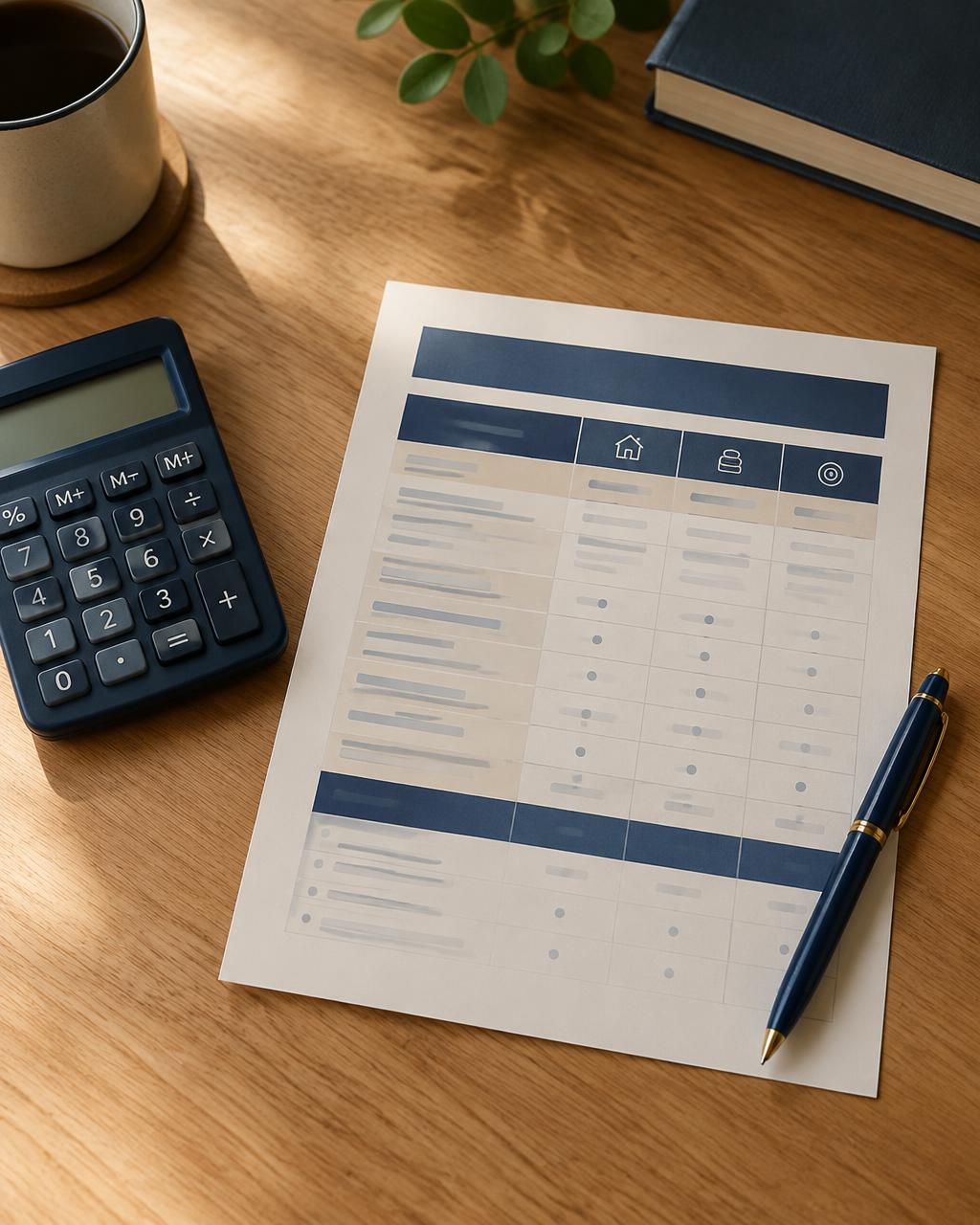
How do the main plans compare in 2026?
- Solo 401(k): for owners with no employees other than a spouse. You can contribute as both employee ($24,500 in 2026, plus $8,000 catch-up at 50+, or $11,250 at ages 60–63) and employer, up to a combined $72,000 before catch-ups. Roth contributions are allowed.
- SEP IRA: employer contributions only, up to 25% of pay and $72,000 in 2026. Easy to set up, but you must contribute the same percentage for eligible employees.
- SIMPLE IRA: low cost for businesses with up to 100 employees. Lower employee limits than a 401(k), with a required employer match or contribution.
- 401(k) with profit sharing: more setup and admin cost, but lets you offer a real benefit to your crew and still save heavily yourself.
- Cash balance plan: a type of pension that can allow much larger tax-deductible contributions, especially for owners in their 50s and 60s. It requires steady contributions and an actuary.
What if my income is uneven?
Trade income swings with seasons, weather and the economy. SEP IRA and profit-sharing contributions can be decided after year end, so you can put in more in a strong year and less in a slow one. A cash balance plan is less flexible, so it fits best once profit has been steady for several years. Keep a cash reserve in the business so a slow winter doesn't force you to skip contributions or pull from savings.
Does a retirement plan help when I sell?
Yes, in two ways. Money saved in the plan doesn't depend on the sale price. And a well-run 401(k) can help keep good technicians, which buyers care about. If you expect to sell, plan ahead for what happens to the plan at closing. Our guide to cash balance pension plans goes deeper on that option.
A hypothetical example
A 55-year-old plumbing company owner with no employees and $200,000 of profit could contribute employee deferrals plus catch-up and an employer contribution to a Solo 401(k), cutting taxable income significantly. Adding a cash balance plan could allow substantially more. Hypothetical illustration only. Figures do not represent actual client results and are not guarantees.
See our trade owner planning or business owner planning page, or schedule a complimentary consultation to compare plans for your business.
Frequently asked questions
- What is the best retirement plan for a self-employed contractor?
- For a contractor with no employees, a Solo 401(k) usually allows the most savings and flexibility, including Roth contributions. A SEP IRA is simpler but has no employee or catch-up contributions.
- Can I have a retirement plan if I have employees?
- Yes. SEP IRAs, SIMPLE IRAs and 401(k) plans all work with employees, but most require you to contribute for eligible staff as well.
- What are the 2026 401(k) limits?
- In 2026 the employee deferral limit is $24,500, the catch-up at age 50+ is $8,000, and ages 60–63 can contribute an extra $11,250 instead. Combined employee and employer contributions are capped at $72,000 before catch-ups.
- When does a cash balance plan make sense for a trade owner?
- Usually when profit has been high and steady for several years and the owner is in their late 40s or older and wants to save well beyond 401(k) limits.
- Can I skip contributions in a slow year?
- With a SEP IRA or profit-sharing plan, yes — employer contributions are flexible. Cash balance plans require contributions each year, so they fit steadier businesses.